Analytics and Performance Tracking: A Complete Guide
Analytics and performance tracking refer to the systematic process of collecting, analyzing, and interpreting data related to various aspects of a website’s performance. This data provides insights into user behavior, traffic sources, conversion rates, and more. By leveraging these insights, businesses can make informed decisions to optimize their online presence and overall performance.
Analytics involves gathering data from various sources, such as website traffic, social media interactions, email marketing campaigns, and more. This data is then analyzed to uncover patterns, trends, and insights that can inform decision-making. Performance tracking focuses on monitoring key performance indicators (KPIs) to assess the effectiveness of specific strategies and actions.
For example, consider an e-commerce website aiming to improve sales. By using analytics, the business can track which products are most viewed, where users are dropping off in the checkout process, and which marketing campaigns are driving the most traffic. Performance tracking allows them to measure the success of their strategies over time, identifying what works and what doesn’t. This ongoing process of data collection and analysis helps businesses stay agile and responsive to changes in user behavior and market conditions.
Why is Analytics and Performance Tracking Important?
Informed Decision-Making
Analytics provide a data-driven foundation for decision-making, reducing reliance on guesswork and intuition. Businesses can identify what is working and what isn’t, allowing for strategic adjustments. For instance, if data shows that a particular marketing campaign is driving significant traffic but low conversions, businesses can tweak their approach to improve results.
For example, a business might discover through analytics that their email marketing campaigns have high open rates but low click-through rates. This insight can lead them to experiment with different email content, subject lines, or call-to-action buttons to improve engagement.
Identifying Trends
By tracking data over time, businesses can identify trends and patterns in user behavior, helping them anticipate future needs and preferences. For example, seasonal trends might reveal that certain products are more popular during specific times of the year, allowing businesses to prepare accordingly.
Analyzing year-over-year data can help businesses predict and prepare for peak shopping periods, ensuring they have sufficient inventory and marketing efforts aligned with consumer demand. Recognizing patterns in user engagement can also guide content creation, ensuring it resonates with the target audience at the right time.
Measuring Success
Performance metrics enable businesses to evaluate the effectiveness of their marketing efforts, campaigns, and website changes, ensuring that resources are allocated effectively. This helps in setting realistic goals and measuring progress toward achieving them.
For instance, a business that launches a new product can use analytics to track the performance of its launch campaign, measuring metrics such as reach, engagement, and conversion rates. This data helps determine whether the campaign met its objectives and what adjustments might be needed for future launches.
Improving User Experience
Analytics reveal how users interact with a website, highlighting areas where the user experience can be improved to increase engagement and conversions. For example, high bounce rates on certain pages might indicate that the content is not meeting user expectations or that the page load time is too slow.
Businesses can use tools like heatmaps to visualize where users click, scroll, and hover on a page. This information helps identify which elements are engaging users and which might be causing frustration, leading to targeted improvements that enhance the overall user experience.
Competitive Advantage
Businesses that effectively utilize analytics can respond more swiftly to market changes and competitor actions, maintaining a competitive edge. By understanding competitors’ strengths and weaknesses, businesses can identify opportunities for differentiation and growth.
For example, by analyzing competitor data, a business might find that a competitor’s new feature is attracting significant attention. This insight can drive the business to develop and promote its own unique features or improve upon the competitor’s offering, staying ahead in the market.
Introduction to Google Analytics
Google Analytics is a robust tool that offers comprehensive insights into website performance. It is an essential resource for anyone looking to understand and improve their online presence. Here’s a detailed look at its key features and how to use them:
Google Analytics allows businesses to collect and analyze data on website traffic and user behavior. It provides detailed reports on various metrics, such as the number of visitors, the sources of traffic, user demographics, and the actions taken by users on the site. This tool is crucial for understanding how users interact with your website and identifying areas for improvement.
One of the most powerful aspects of Google Analytics is its ability to track and measure conversions. Conversions are specific actions that you want users to take on your website, such as making a purchase, filling out a contact form, or signing up for a newsletter. By setting up goals in Google Analytics, you can track how well your website is performing in terms of these key actions.
Additionally, Google Analytics provides insights into the effectiveness of your marketing efforts. By tracking where your traffic is coming from, whether it’s organic search, paid advertising, social media, or direct visits, you can assess which channels are driving the most value for your business. This allows you to allocate your marketing budget more effectively and optimize your campaigns for better performance.
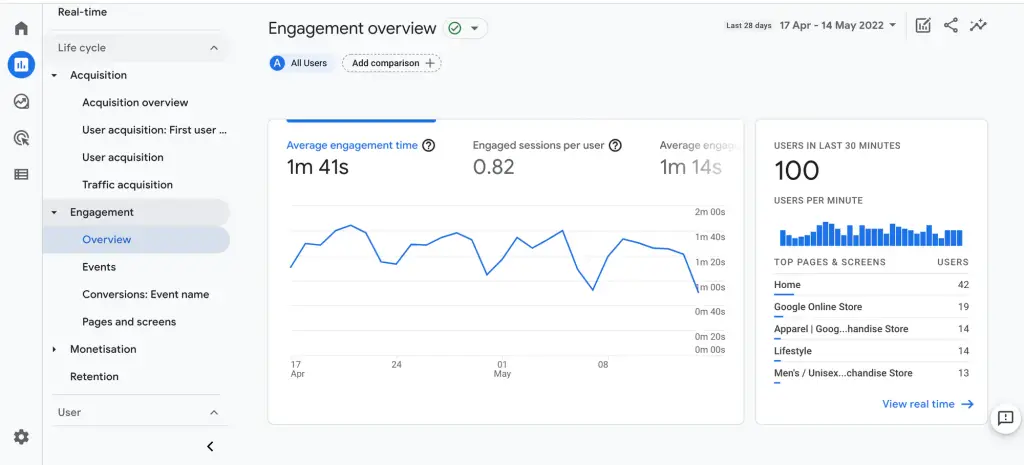
Beyond basic metrics, Google Analytics offers advanced features such as segmentation, custom reports, and e-commerce tracking. Segmentation allows you to break down your data into smaller, more specific groups, such as new vs. returning users or traffic from different geographic regions. Custom reports enable you to create tailored views of your data that focus on the metrics and dimensions that matter most to your business. E-commerce tracking provides detailed insights into your online sales performance, helping you understand which products are most popular, how users move through your checkout process, and where you might be losing potential customers.
Setting up Google Analytics is straightforward but requires careful attention to detail to ensure accurate data collection. The process involves creating a Google Analytics account, adding a tracking code to your website, and configuring your account settings. You can also set up filters to exclude internal traffic, configure site search tracking, and link your Google Analytics account with other Google tools like Google Ads and Search Console.
In summary, Google Analytics is an indispensable tool for any business looking to understand and improve its online performance. By leveraging its powerful features and insights, you can make data-driven decisions that enhance your website’s effectiveness, boost conversions, and drive business growth.
Tracking Local SEO Performance
Local SEO performance tracking involves monitoring how well your business performs in local search results. Key areas to focus on include:
Local Pack Rankings
Track your business’s visibility in the local pack, which appears at the top of Google search results for local queries. Tools like Moz Local and BrightLocal can help monitor your rankings. Improving local pack rankings involves optimizing your Google My Business profile, acquiring local backlinks, and encouraging customer reviews.
Local pack rankings are crucial because they are highly visible and typically attract a large number of clicks. To improve your rankings, ensure that your Google My Business profile is complete and accurate, with up-to-date contact information, business hours, and high-quality images. Regularly post updates and engage with customer reviews to boost your profile’s activity and relevance.
Local Citations
Ensure your business information (name, address, phone number) is consistent across various online directories and platforms. Inconsistent information can harm your local SEO efforts. Regularly audit and update your citations to maintain accuracy and consistency.
Citations are mentions of your business on other websites, including local directories, review sites, and social media platforms. Consistent NAP (Name, Address, Phone Number) information across these sites helps search engines verify your business’s legitimacy and improve your local search rankings.
Online Reviews
Monitor and manage reviews on platforms like Google My Business, Yelp, and Facebook. Positive reviews can boost your local search rankings and attract more customers. Encourage satisfied customers to leave reviews and respond promptly to any negative feedback.
Online reviews not only influence your local SEO but also impact potential customers’ perceptions of your business. Encourage happy customers to leave positive reviews by making the process easy and providing excellent service. Address negative reviews professionally and constructively to show that you value customer feedback and are committed to improving.
Local Traffic
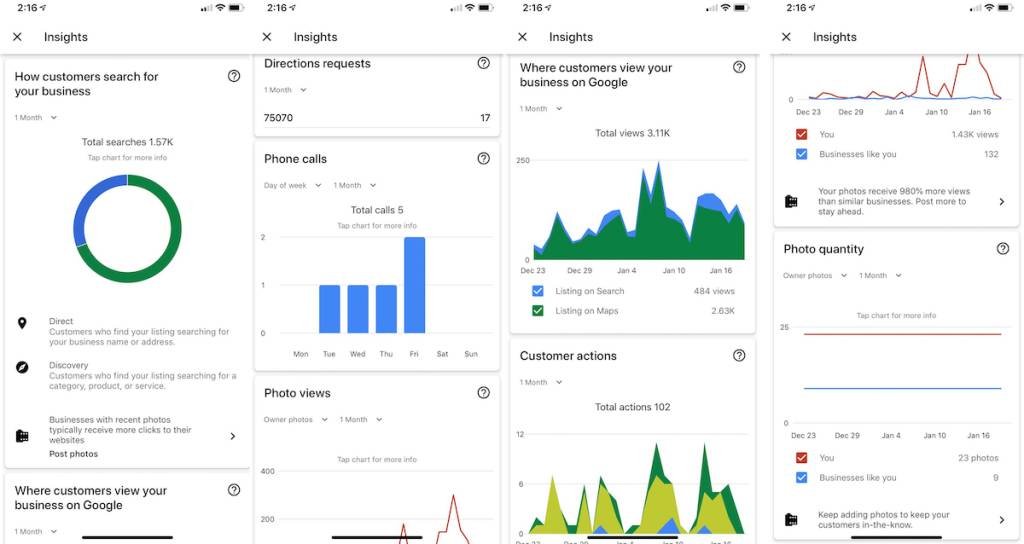
Analyze traffic data from local searches using tools like Google My Business Insights and Google Analytics. This data helps you understand how local users find and interact with your website. Monitor metrics like local search impressions, clicks, and engagement to gauge the effectiveness of your local SEO efforts.
Google My Business Insights provides valuable data on how customers search for your business, where they view your listing (e.g., Search or Maps), and what actions they take (e.g., visit your website, request directions). Use this information to refine your local SEO strategy and improve your online visibility.
Google My Business Insights
-
- Search Queries: See what search queries are driving traffic to your business listing.
- Customer Actions: Track actions like calls, website visits, and direction requests initiated from your listing.
Understanding the search queries that lead to your business helps you optimize your content and keywords to better match user intent. Tracking customer actions provides insights into how effectively your listing converts searchers into customers.
Local Backlinks
-
- Authority: Local backlinks from reputable websites enhance your local SEO. Use tools like Ahrefs or Moz to monitor and acquire local backlinks.
- Content Partnerships: Collaborate with local businesses or influencers to create content and earn backlinks.
Backlinks from local, authoritative sites signal to search engines that your business is trusted and relevant in your local area. Building relationships with local organizations and creating high-quality content can help you earn valuable backlinks.
Using Insights to Improve Strategy
Once you have collected data through analytics tools, use these insights to refine and improve your strategy. Key steps include:
Identify Weak Points
Use data to pinpoint areas where your website or marketing campaigns are underperforming. For example, high bounce rates on specific pages may indicate content or usability issues. Address these weak points by enhancing content quality, improving page load times, and optimizing for mobile devices.
Conduct regular audits of your website to identify technical issues, slow-loading pages, or content that doesn’t resonate with your audience. Use A/B testing to experiment with different solutions and measure their impact on user behavior.
A/B Testing
Conduct A/B tests to compare different versions of web pages or ads to determine which performs better. Use tools like Google Optimize to run these experiments. Test elements such as headlines, images, calls-to-action, and page layouts to identify the most effective variations.
A/B testing allows you to make data-driven decisions by testing one variable at a time and measuring its impact. This iterative process helps you optimize your website and marketing campaigns for better performance.
Optimize Content
Adjust your content strategy based on user behavior and engagement metrics. For example, if certain blog posts receive more traffic and engagement, consider creating more content on similar topics. Use keyword research and competitive analysis to identify content opportunities and fill gaps in your content strategy.
Regularly update and repurpose high-performing content to keep it fresh and relevant. Use tools like Google Search Console to identify keywords that drive traffic and optimize your content to rank higher for those terms.
Enhance User Experience
Use behavioral insights to improve site navigation, design, and overall user experience. For instance, if users frequently drop off at a specific point in the checkout process, investigate and resolve any issues causing friction. Implement user feedback and usability testing to identify areas for improvement.
Focus on creating a seamless, intuitive user experience that guides visitors through your site and encourages them to take desired actions. Use heatmaps and session recordings to understand user behavior and identify pain points.
Monitor Competitors
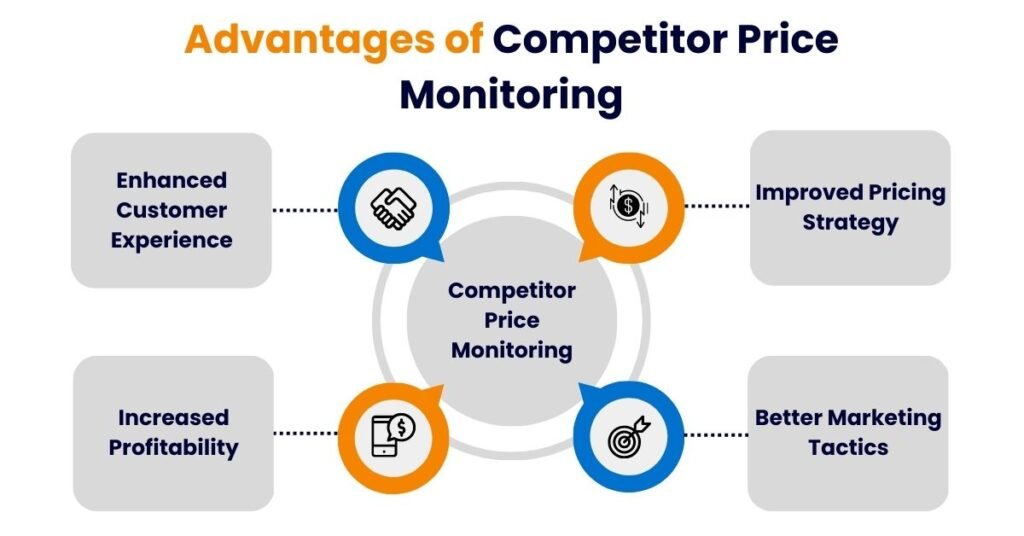
Analyze competitor performance using tools like SEMrush or Ahrefs to identify opportunities and threats in the market. Understanding competitors’ strengths and weaknesses can inform your own strategy. Monitor competitor content, backlink profiles, and social media activities to stay ahead in the market.
Competitor analysis helps you understand what’s working in your industry and identify areas where you can differentiate your business. Use this information to refine your marketing strategies and stay competitive.
Personalization
Use data to create personalized experiences for users. Tailor content, offers, and recommendations based on user preferences and behavior to increase engagement and conversions.
Personalization can significantly enhance the user experience by delivering relevant content and offers that resonate with individual users. Use tools like dynamic content and personalized email marketing to engage your audience effectively.
Cross-Channel Insights
Integrate data from various channels (e.g., email, social media, PPC) to get a holistic view of your marketing performance. Use these insights to create cohesive multi-channel strategies.
Analyzing data from multiple channels helps you understand how different marketing efforts work together and identify synergies. Use this information to create integrated campaigns that leverage the strengths of each channel.
Additional Topics to Explore
Mobile Analytics: As mobile traffic continues to grow, understanding how mobile users interact with your website is crucial. Optimize for mobile performance by tracking metrics like mobile bounce rate, page load times, and mobile conversions. Ensure that your website is mobile-friendly and provides a seamless user experience across all devices.
With the increasing use of mobile devices, it’s essential to ensure that your website is responsive and optimized for mobile users. Use tools like Google’s Mobile-Friendly Test to identify and fix mobile usability issues.
Social Media Analytics: Track engagement and conversions from social media platforms using tools like Facebook Insights, Twitter Analytics, and Instagram Insights. Measure the effectiveness of your social media marketing efforts. Analyze metrics such as likes, shares, comments, and click-through rates to understand audience engagement and optimize your social media strategy.
Social media analytics provide valuable insights into how your content resonates with your audience. Use this data to refine your social media strategy, create engaging content, and measure the ROI of your social media campaigns.
E-commerce Tracking: For e-commerce websites, monitor sales performance, product views, and customer behavior using e-commerce tracking in Google Analytics. This helps in identifying high-performing products and areas for improvement in the sales funnel. Track metrics such as average order value, conversion rate, and cart abandonment rate to optimize your e-commerce strategy.
E-commerce tracking provides detailed insights into your online store’s performance, helping you understand which products are popular, how customers interact with your site, and where you might be losing sales. Use this data to optimize your product offerings, pricing, and checkout process.
Heatmaps and Session Recordings: Tools like Hotjar provide visual insights into user interactions through heatmaps and session recordings. These tools help identify areas where users engage most and potential usability issues. Use heatmaps to understand user click patterns and session recordings to observe real user interactions on your website.
Heatmaps and session recordings help you see your website from the user’s perspective, providing valuable insights into how they navigate and interact with your site. Use this information to make data-driven design and usability improvements.
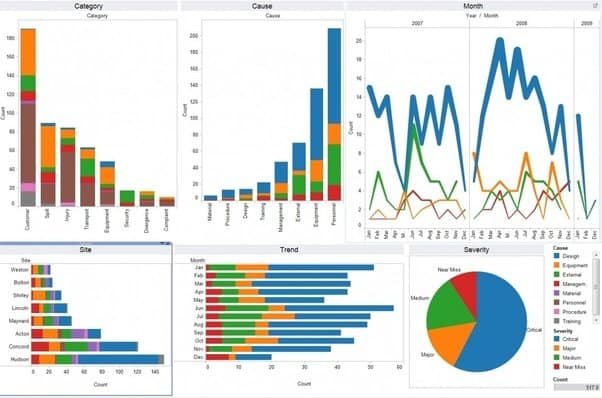
Data Visualization: Use data visualization tools like Tableau or Google Data Studio to create interactive and visually appealing reports. Visualizing data helps in better understanding and communicating insights to stakeholders.
Data visualization makes complex data more accessible and easier to understand. Use it to create compelling reports and presentations that clearly communicate key insights and drive informed decision-making.
Conclusion
Analytics and performance tracking are essential for understanding and optimizing your online presence. By leveraging tools like Google Analytics and focusing on key metrics, businesses can make data-driven decisions that lead to improved performance and a competitive edge. Regularly reviewing and adjusting your strategy based on insights will ensure that you stay ahead in the ever-evolving digital landscape. Embrace the power of analytics to drive success and achieve your business goals.
Incorporating analytics and performance tracking into your business strategy requires ongoing commitment and adaptation. Stay updated with the latest tools, techniques, and best practices to continuously enhance your analytical capabilities and drive better results for your business. Regular training and development for your team on analytics tools and methodologies can further enhance your ability to extract meaningful insights and make impactful decisions.
Additionally, consider working with analytics experts or consultants to refine your strategies and ensure you are leveraging the full potential of your data. By making analytics a core part of your business operations, you can foster a culture of continuous improvement and data-driven decision-making.
In conclusion, the journey of understanding and implementing analytics and performance tracking is a continuous process. As technology and consumer behavior evolve, so too must your strategies. Stay curious, stay informed, and most importantly, stay data-driven. By doing so, you’ll be well-equipped to navigate the complexities of the digital landscape and achieve sustained business growth.